Feb 24, 2026, 16:52 PM
by
Zoe Cameron-Waller
Spray bars are widely used across production facilities, typically mounted on conveyor systems to provide cleaning, moistening, coating, or lubrication. Although often considered simple pieces of equipment, carefully selected design features- and a consistent maintenance routine - can dramatically improve performance, reduce downtime and extend system longevity.
This article outlines the most valuable spray bar enhancements and the maintenance habits that help prevent costly issues before they start.
Key Product Features for Diagnosing Performance Issues
INTEGRATED PRESSURE GAUGES OR FLOW METERS
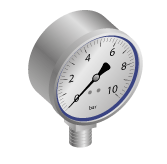
Most systems include at least one pressure gauge between the pump and the spray bar. However, installing anadditional gauge directly before the spray bar offers far more accurate diagnostic information.
If a problem occurs and the gauge at the bar shows a pressure drop or spike, the issue likely lies elsewhere in the fluid supply system - not in the bar or nozzles. Relying only on a gauge positioned closer to the pump makes diagnosis slower and less precise, as potential causes could exist anywhere between that gauge and the bar itself.
A gauge at the spray bar adds minimal cost but significantly improves troubleshooting accuracy.
NOZZLE FLOW TESTERS
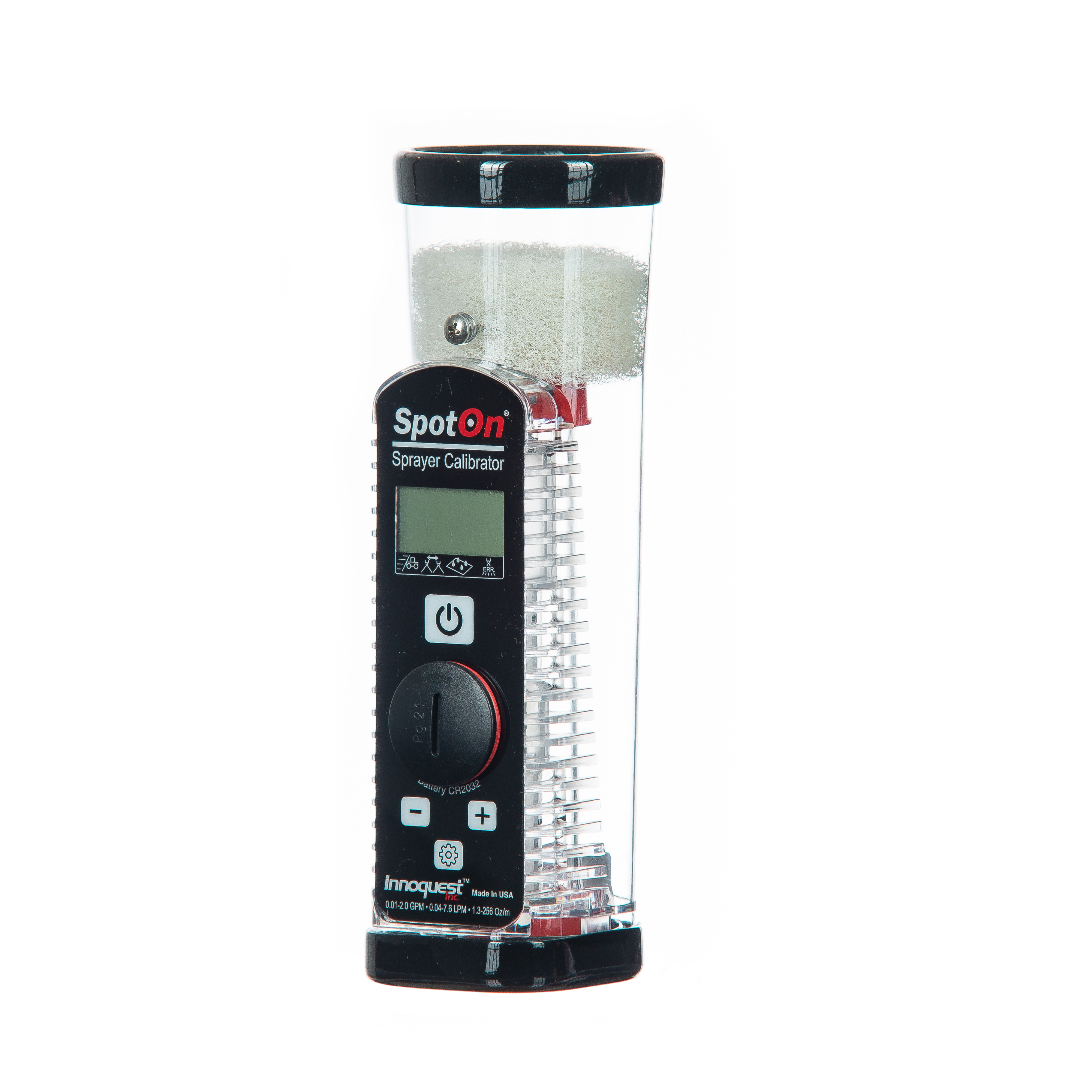
A nozzle flow testing device is a valuable long-term investment. For example, programmable flow meters - such as our SC2 Flow Meter - can rapidly test individual nozzles and identify those operating outside specification. Worn nozzles can then be replaced quickly, reducing waste, poor coverage, and system inefficiency.
Features That Help Reduce Maintenance Downtime
KEEP A SPARE SET OF NOZZLES
Spray nozzles are inexpensive and classed as wear parts. Since unused nozzles can be stored for years without degradation, keeping a full spare set is best practice. This prevents production delays caused by waiting for replacements - especially important given that many manufacturers offer tens of thousands of nozzle variants, which often need to be made to order.
SELF-ALIGNING NOZZLES
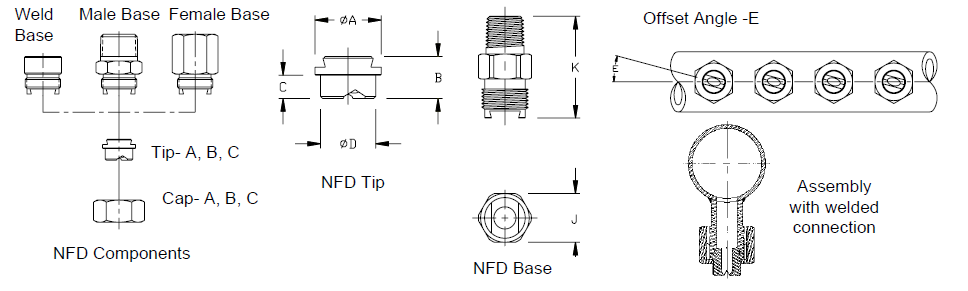
Flat‑fan nozzles must be correctly oriented for proper spray coverage. Traditional threaded fittings can wear over time, leading to misalignment. Self‑aligning systems, such as dovetail or bayonet connectors, guarantee correct orientation and allow rapid nozzle removal. This saves considerable time during adjustments or changeovers.
BUILT-IN ISOLATION VALVES
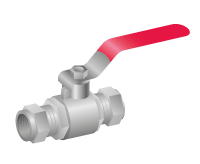
An isolation valve fitted directly before the spray bar makes removal fast and clean. When combined with a quick‑connect fitting, the entire bar can be detached in seconds without draining long sections of pipework.
Essential Spray Bar Maintenance and Preventative Measures
Even with enhanced features, consistent maintenance is crucial for long‑term performance. The following practices help prevent failures and quality issues.
INSTALL THE CORRECT FILTERS
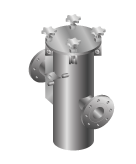
Filtration needs depend on nozzle orifice size, the application, and the level of particulate contamination in the supply. Small‑orifice nozzles require finer filtration - sometimes much finer than the general plant water supply provides.
Hard‑water deposits, though harmless elsewhere, can quickly clog a spray bar. A fine‑mesh filter placed just before the bar can prevent unnecessary downtime and protect your nozzles.
REGULAR INSPECTIONS
Frequent visual checks help spot issues before they escalate. Look for:
- Blocked nozzles
- Wear and tear
- Irregular spray patterns
Keep a maintenance log and track trends over time. High‑use systems should be inspected weekly; low‑use systems, monthly.
ROUTINE CLEANING & FLUSHING
Cleaning should be preventative - not reserved for when a problem appears.
Recommended practices:
- Use soft brushes or non‑metallic tools to clean nozzle tips
- Soak components in the correct cleaning solution to remove residues
- Avoid sharp objects that may damage or deform nozzles
- Flush the system after major use or any fluid changeover
MONITOR PRESSURE & FLOW RATES
Small fluctuations in flow or pressure may not immediately affect product quality, but persistent changes often signal developing issues. Monitoring and recording these values helps identify trends early.
Effective monitoring includes:
- Using gauges to ensure operating pressure meets manufacturer specifications
- Tracking flow rate to detect clogs, leaks, or pump issues
- Installing filters or regulators to stabilise the system when needed
These checks are easier and more accurate when pressure gauges and flow‑testing equipment are part of the design.
Conclusion
A relatively small investment in improved spray bar features—such as integrated gauges, flow testers, isolation valves, and self‑aligning nozzles—can considerably simplify troubleshooting and maintenance. Although spray bars and nozzles may seem like simple components, neglecting them can compromise the entire fluid delivery system.
By adopting enhanced design features and maintaining a regular inspection and cleaning schedule, businesses can reduce downtime, extend component life, and ensure consistently high performance. For most facilities, the modest additional cost is easily justified by the long‑term savings.