The situation
Poor cleaning is noticed in a pre-treatment plant. This is resulting in quality control rejects or worse still customer complaints. The actual root cause of the problem is some worn, clogged or poorly aligned nozzles. But this cause is unknown at the time.
The wrong diagnosis
It is decided that the problem must be something to do with the chemicals being used, perhaps a new batch is being used just before the problems started. So the problem is “remedied” by either increasing the flow rate or increasing the concentration of chemical cleaner being used. This seems to solve the problem for while.
The consequences
- The nozzle of course continue to ware or get more clogged and so the problem re-occurs some time afterwards.
- The operating costs have increased as chemical usage has increased. Quite literally money is being poured (or sprayed) away.
- The chemical supplier is probably taking some flak unfairly.
The solution
Whilst it may seem logical to blame a poor batch of chemicals it would perhaps have been sensible to look at the spray set up as well. The fact of the matter is that nozzles wear out far quicker than most people think, particularly if the manufacturing quality of the nozzle is not high to begin with. But the down time and hassle associated with checking and replacing a nozzle arrays puts many maintenance mangers off from checking this.
The main factor putting a plant maintenance manager off doing a nozzle audit is the length of time and effort required. The nozzles need to be taken out, put back in and then re-aligned this, of course, is all down time. Also let’s face it replacing nozzles in pre treatment tunnel is not the most pleasant way to spend a day. This being the case it can be tempting to jump to blaming the chemicals for the problem instead. At the very least there is a strong temptation to put off investigating the nozzles as the cause.
This situation can sometimes lead to the real cause of the problems going undiagnosed for considerable lengths of time. If a problem with the chemicals is incorrectly suggested then increasing chemical flow rates or concentrations may still temporally “solve” the problem, even if it’s actually a nozzle problem. The “solution” will thus provide false validation of the erroneous diagnosis and hence the real issue will remain unaddressed.
So if the sheer hassle and effort involved is putting maintenance mangers off checking their nozzle array how can the hassle be reduced? Some simple tips might include.
1- Colour coding
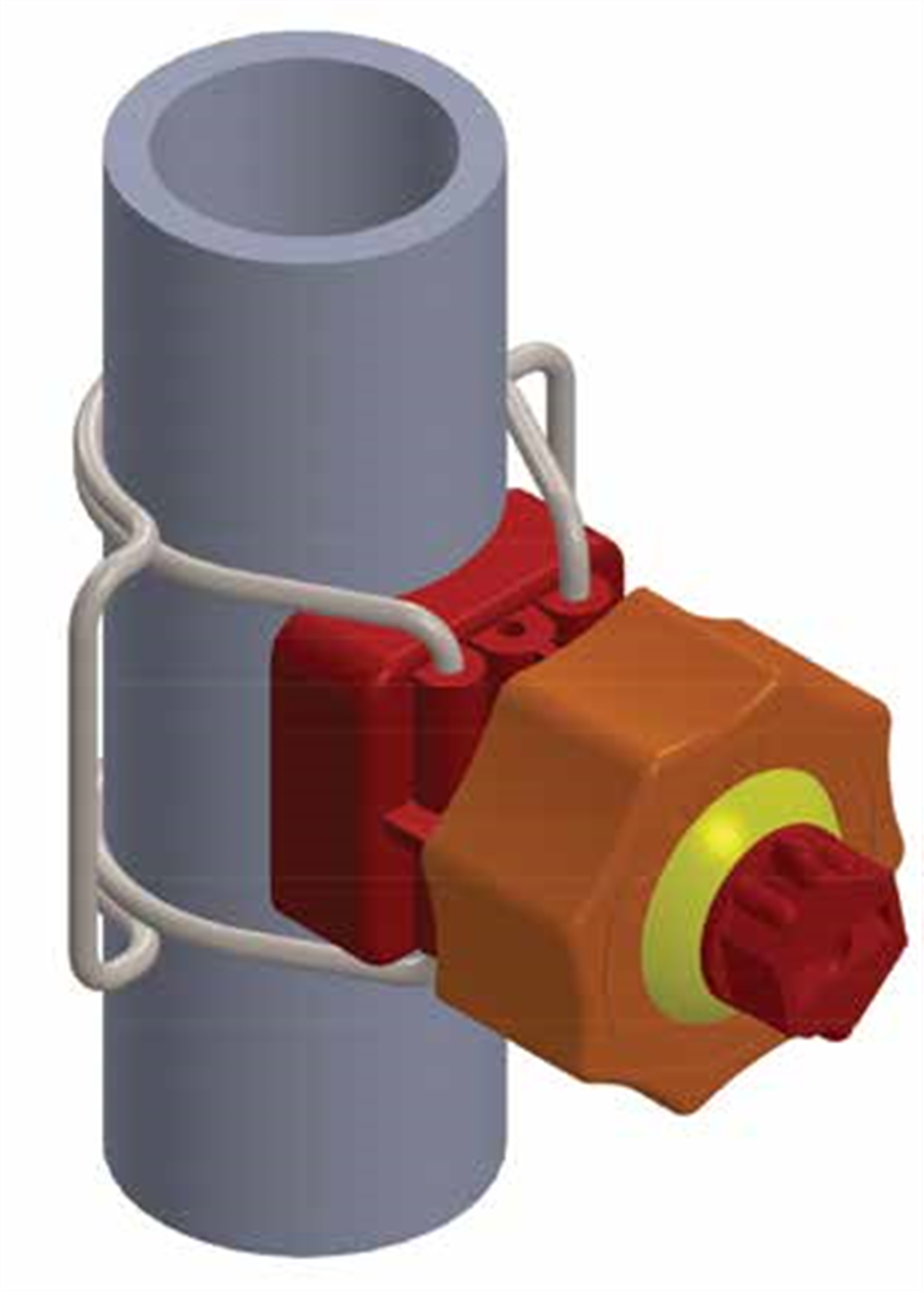
Spotting the difference between a 45 degree spray and 55 degree spray tip is almost impossible at the best of times. If you have been sent the wrong product or they have some how been mixed up in your store room when would you spot the error? For most the honest answer is “When it’s too late” i.e. when spraying starts. But what if the different spray tips and nozzles where made from different coloured plastics? It’s an absurdly simple idea but one that can really make a difference.
2- Upgrade to a quick release tips system
Often it’s just the nozzle tip that needs replacing. But most nozzles will then require re-aligning. For example Unispray’s quick tip release system allows nozzles tips to be snapped in and out at the exact same angle thus there is no need to re-alignment. This dramatically reduces the time and hassle of changing over nozzles. Good practice is to have a complete spare set of tips and nozzle holders that are always maintained in top condition. These can then quickly be snapped into place. The old set can then be checked cleaned and any worn ones can be re ordered so that the spare set is ready to be reused.
3- Call in expert help
Whilst it’s unlikely that a nozzle supplier will be one of your key business relationships it is still worth cultivating a good dialogue. The nozzle business is specialist and wide ranging there and is a tremendous amount of expertise to be tapped into. If you find the right company they should be more than happy to share that expertise with you. It is in their interests to help you, after all if they help solve a problem for you then who will you buy your nozzles from? If they don’t seem to care or be able to help then its worth looking for around for supplier that can.
4- Buy a quality product to begin with
Nozzles are one of those components that really are not worth skimping on. The cost of the chemicals being sprayed far out weight the cost of the nozzle. Even a small degradation on performance quickly eliminates and price differential between the cheaper products and the quality products. Nozzles are a relatively low cost component but if they do go wrong the knock on costs can be high, so why take that risk to shave off a few pence?