May 12, 2026, 11:17 AM
by
Catherine Lees
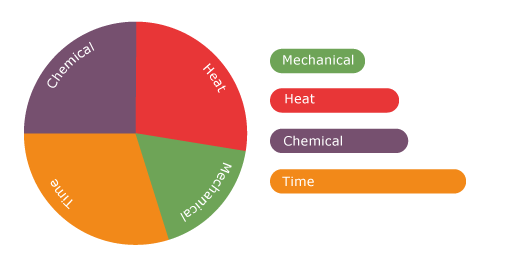
Sinner’s circle of heat, time, mechanical action and chemical action is a well-known way of analysing the effectiveness of any cleaning process. If we increase any of these four elements, we will improve the overall cleaning delivered. Sanitising and disinfection, however, are not the same thing as cleaning. This short article looks at the four elements that go into an effective sanitising process and the equipment necessary to achieve each element.
First let’s remember what sanitising means. Sanitising is the process of the removal of bacterial pathogens to safe levels. What this generally means is that we want to achieve a 99.999% reduction in target pathogens e.g. salmonella and e.coli. This can be validated by swab tests. For some high risk areas, we might want a 99.9999% (log-6_ kill rate).
Sanitising is not about achieving a total kill of all pathogens. That would be sterilisation. It is about getting to a generally agreed safe level to allow food to be processed and prepared.
The Four Elements

1. Surface preparation
If the surface being sanitised is not cleaned properly then it is very unlikely that enough pathogens will be killed to achieve the log5 kill rate. Fats, grime or mineral deposits will shield bacteria from contact with sanitising agents and so many more will survive. As such it is essential to remove as many hiding places as possible by cleaning the surface properly.
In some respects the 4 elements of the Sinner circle for cleaning and be thought as being nested within the surface preparation element of the sainting circle.

2. Coverage
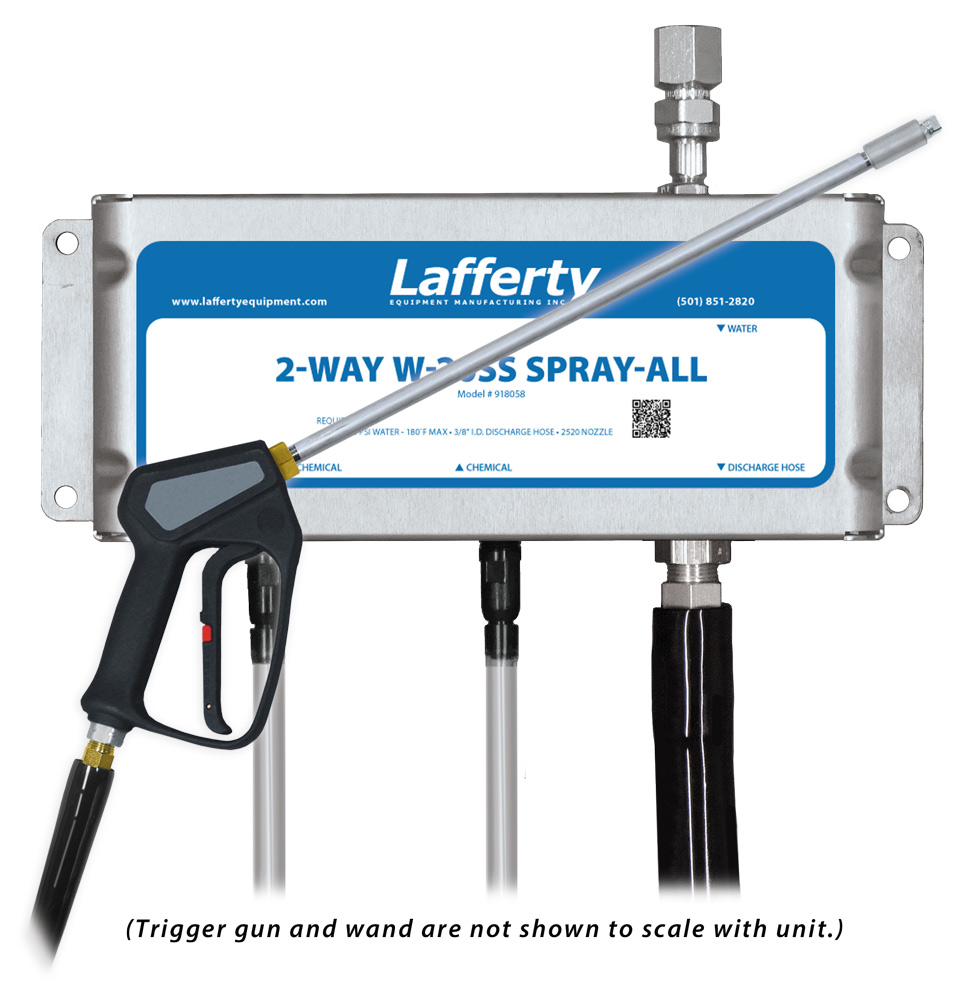
Once the surface is prepared it is essential to deliver the sanitising chemical to the whole area. If bits are missed then, obviously, pathogens can survive. In order to achieve this, it is essential to have high quality spraying equipment that gives an even and consistent spray pattern. Other equipment that can help with ensuring complete coverage are foggers and foaming systems.
3. Dosing
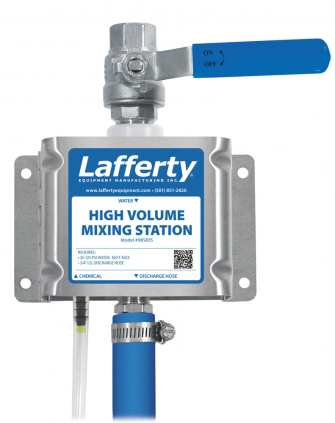
Even if the surface is perfectly prepared and the sanitising liquid or foam covers the whole area, it is all for naught if not enough chemical is delivered to achieve the required kill level. Sanitising sprays, fogs and foams will be generated by mixing water with a chemical concentrate. This means that it is essential to have high quality mixing/dosing equipment.
4. Dwell time
The final element of effective sanitising is the contact time the sanitising fluid has with the target surface. The more contact time we can achieve, the better the pathogen kill rate will be. Required dwell time can be reduced by increasing the concentration of chemicals used but this is often wasteful and can create secondary problems such as unacceptable residues being left behind. It is, therefore, often more sensible to look at delivery systems that will improve dwell time. Fogging and foaming systems are an obvious choice but also having the correct flow rates, spray pattern types and even droplet sizes are also important.
Equipment selection and advice for each element of the sanitising process
Surface preparation
- Use high impact cleaning jets for greater mechanical action.
- Ensure the detergents used are suitable for the residue being removed i.e. they are of the right type and mixed at the right dose (see dosing)
- Use heat to help remove strongly adhered residues
Coverage
- Use finer sprays with smaller droplet sizes to give a more even distribution of liquid
- Consider foaming systems to give a visual indicator of complete coverage
- Consider fogging systems for complex geometries like pipe systems
Dosing
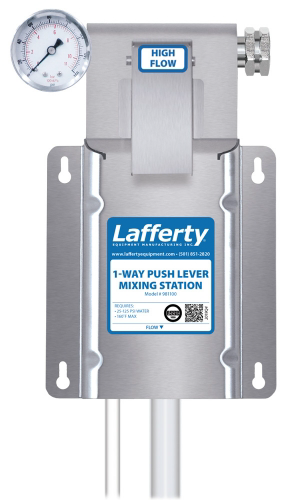
- Use inline Venturi mixing stations that mix concentrate directly with mains water as it is used
- Consider centralised dosing pumps for even greater accuracy
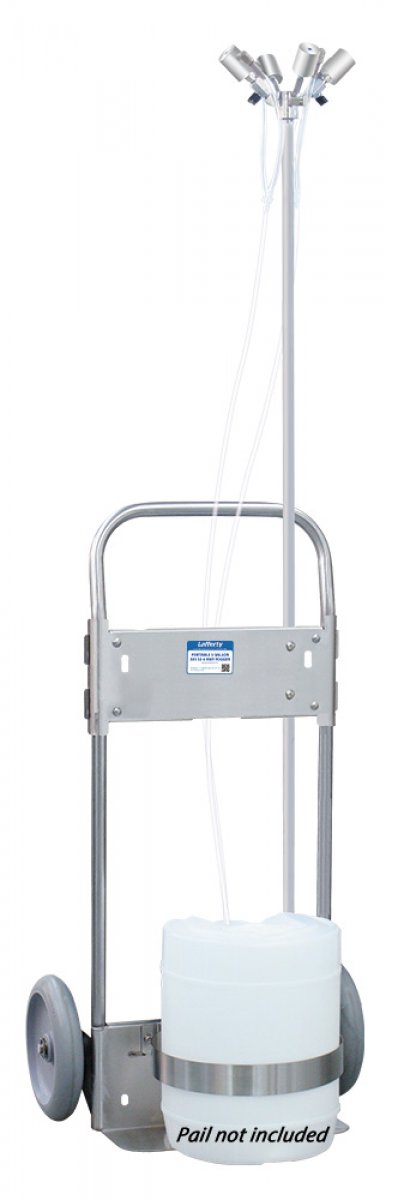
- Combine either of above method to premix sanitisers for use with mobile units (this will combine highly accurate mixing with the flexibility of mobile sprayers)
Dwell time
- Consider using finer sprays or mists that will spread more evenly and produce less run off
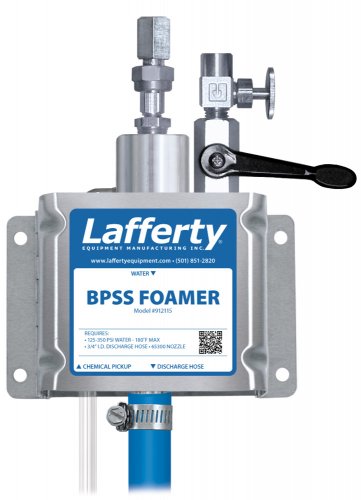
- Consider foam to increase dwell time and possible air associated foam to produce even longer lasting dwell time
Conclusions
Once we break down the four elements that make up an effective sanitising system we can see that there are many potential implications for equipment choice. As with the 4 elements of Sinner’s circle for cleaning, increasing any one of the 4 elements of sanitising will improve overall effectiveness. This can mean we can reduce one or more of the other elements which might be more costly.
For example, if we increase the dwell time by using a foaming system then it may well be the case that we can reduce the amount of chemical applied i.e. reduce the dosing element of the mix. Understanding this mix and which equipment can benefit each element is essential to optimising sanitising processes.