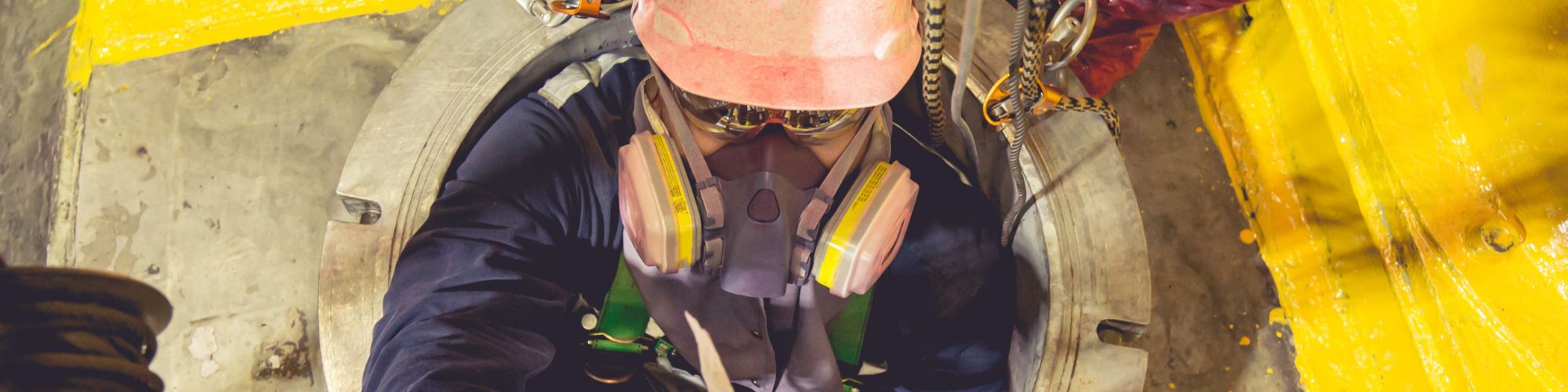
Before automated tank cleaning technology became available, stormwater attenuation tanks could only be cleaned manually. This labour‑intensive process required workers to physically enter the tank and use hoses or pressure washers to remove accumulated debris. Not only was this method slow and inefficient, but it also introduced a number of serious safety and operational challenges.
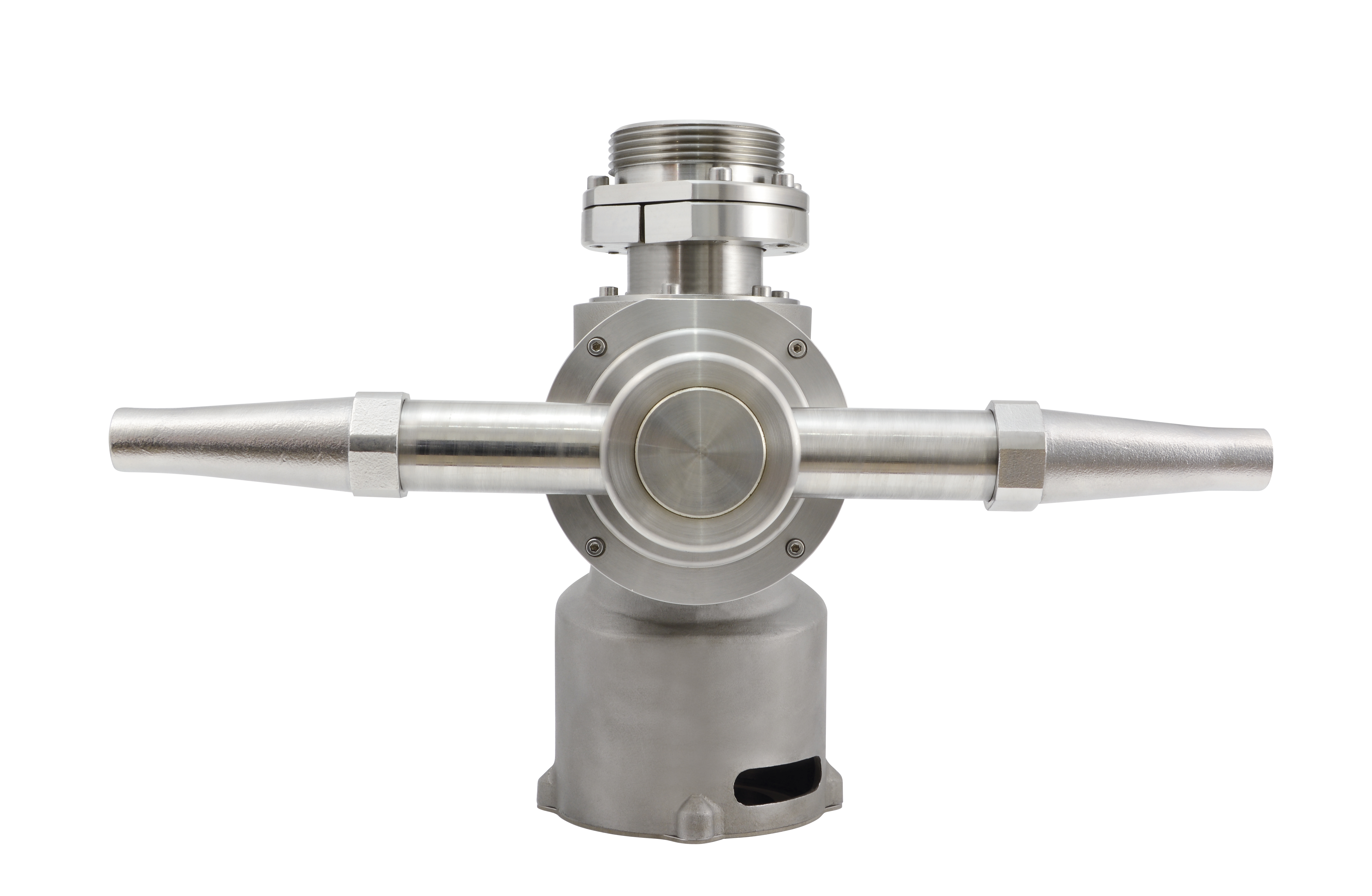
The StormBlaster™ system provides a fully automated alternative that transforms the way storm tanks are cleaned. Below is an overview of the key advantages of the StormBlaster™ system compared with manual cleaning.
1. Improved Health and Safety
Manual tank cleaning introduces significant risks. Attenuation tanks can be deep, confined, and potentially hazardous, meaning at least two workers are required to comply with safety regulations. This increases the complexity of the operation and exposes staff to unnecessary danger.
The StormBlaster™ system removes the need for anyone to enter the tank. By eliminating human entry, it dramatically reduces the risk of accidents and greatly improves overall site safety
2. Cost Efficiency
Although the initial investment in the StormBlaster™ system may appear substantial, it delivers long‑term savings. Manual cleaning requires a team of operatives, safety equipment, and coordinated logistics, all of which contribute to ongoing costs every time a tank requires cleaning.
StormBlaster™ offers extremely low operational costs per clean, enabling the system to pay for itself quickly and making it a far more cost‑effective solution over its lifespan.
3. Reduced Water Usage
Manual tank cleaning typically consumes large volumes of water, as it is difficult to thoroughly and consistently clean large surfaces by hand.
The StormBlaster™ system is engineered for efficient water usage, applying only the amount required for effective cleaning. This not only reduces waste but also minimises the use of final effluent or other cleaning fluids, making it an environmentally responsible option.
4. Reliable and Consistent Cleaning
Human error can lead to inconsistent cleaning results, especially in large or complex tanks where areas may be overlooked. Manual cleaning depends heavily on operator skill and physical reach.
StormBlaster™ delivers repeatable, reliable performance by covering the entire tank methodically. This ensures high‑quality cleaning every time, without the variability associated with manual methods.
5. Rapid Response After Storm Events
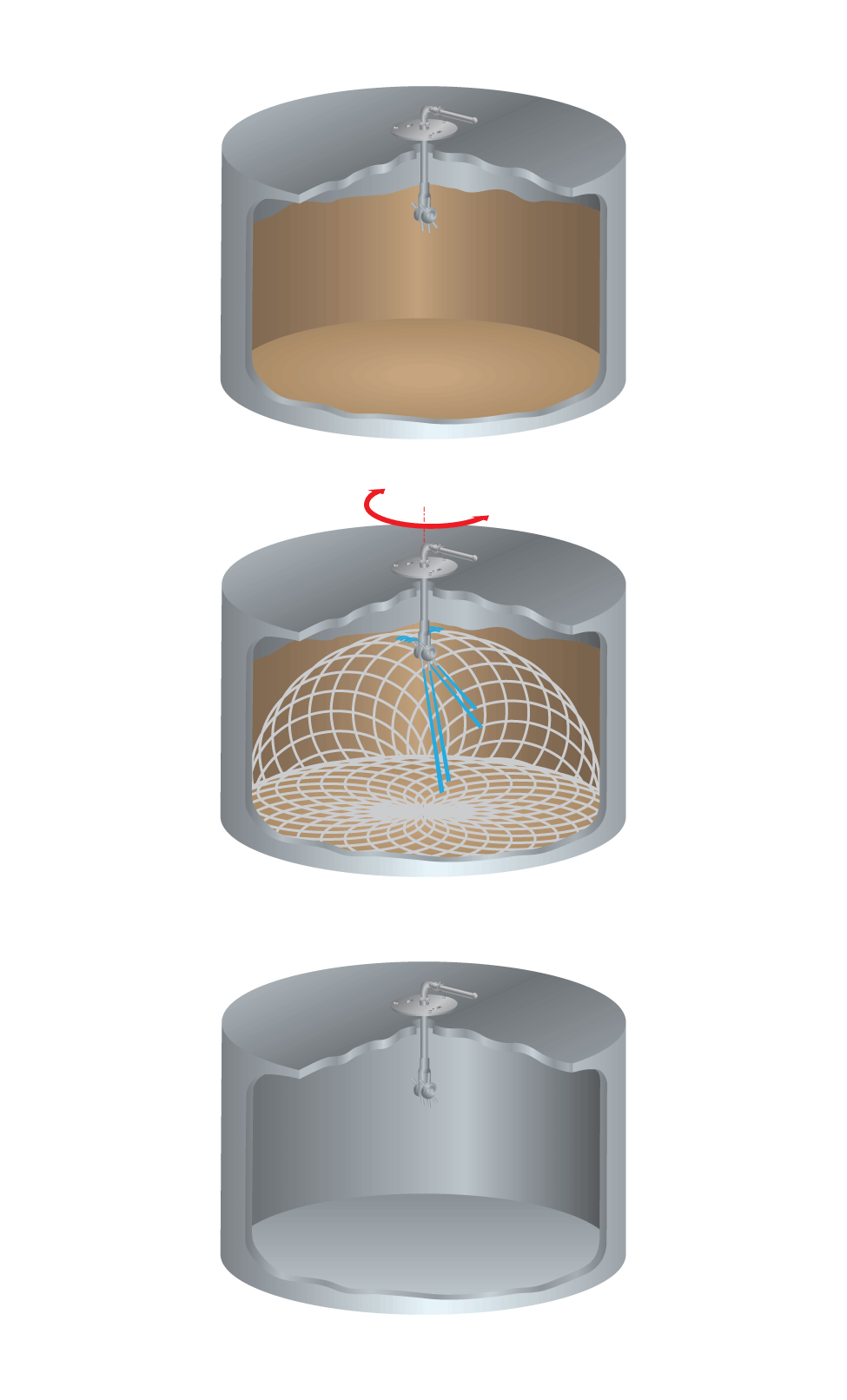
A major advantage of the StormBlaster™ system is its ability to respond immediately once a tank has emptied after a storm event. Cleaning can begin straight away, preventing debris from hardening and becoming more difficult to remove.
In contrast, manual cleaning requires mobilisation of a team, which may take several days. During this time, residue can solidify, making the cleaning process slower, less effective, and more costly.
Conclusion
Automated tank cleaning systems such as StormBlaster™ offer clear advantages over manual cleaning in almost every area. They improve safety, reduce costs, conserve water, and deliver consistently reliable results. Their ability to clean tanks immediately after storm events prevents residue build‑up and keeps systems operating at peak efficiency.
For these reasons, automated cleaning solutions are strongly recommended for all stormwater attenuation tanks. Among available technologies, the StormBlaster™ system stands out as one of the most efficient, responsive, and effective options on the market, providing a safer and more sustainable approach to tank maintenance.