Automated cleaning systems have transformed the maintenance of stormwater attenuation tanks, offering a far more efficient alternative to manual cleaning. Two commonly used technologies are the StormBlaster™ system and eductor systems, also known as ejectors or Venturi nozzle systems. This article compares the two approaches and highlights the advantages of the StormBlaster™ system.
How Each System Works
StormBlaster™ System:
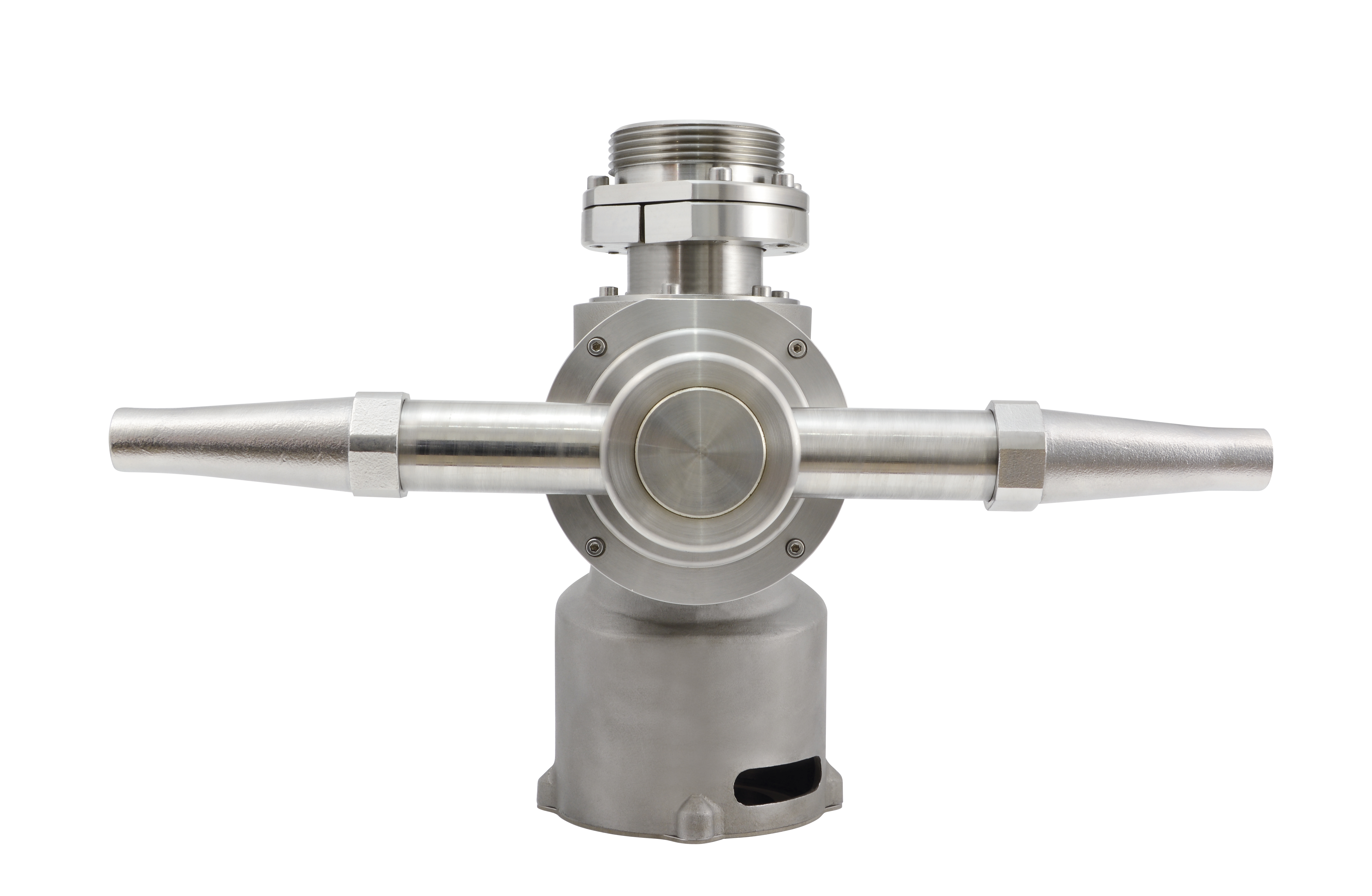
A StormBlaster™ uses rotating, high‑powered jets to remove residue left behind once a tank has been emptied. Its design ensures thorough, consistent, and repeatable cleaning across the entire tank interior.
Eductor System:
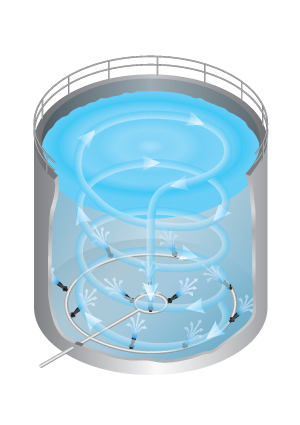
An eductor system uses a large nozzle to recirculate rainwater during tank emptying. This creates strong sub‑surface water movement, suspending solids and transporting them out of the tank as the water drains.
1. Repeatability
A major advantage of the StormBlaster™ system is that it can complete multiple cleaning cycles. Although one cycle is usually sufficient, additional cycles can be run immediately if needed to remove stubborn residue.
Eductor systems, however, only function while the tank is actively emptying. Once the water is gone, they can no longer operate, meaning the final cleanliness of the tank is not guaranteed.
2. Lower Operating Costs
The StormBlaster™ system operates efficiently, using less energy and moving a smaller volume of liquid per clean. This results in lower electricity consumption and reduced running costs over time.
Eductor systems require higher power input and greater water movement, making them more expensive to operate in the long term.
3. Minimal Tank Modifications
StormBlaster™ units can usually be installed without altering the existing tank structure. This keeps installation straightforward and avoids additional construction or drainage changes.
In contrast, eductor systems often require adjustments to the tank layout to ensure the swirl effect operates correctly. If the tank’s dewatering system is not suitable, their performance can be limited.
4. Scalability
StormBlaster™ is highly scalable. Multiple units can be added to large or unusually shaped tanks, ensuring consistent cleaning performance regardless of size.
Eductor systems are less scalable, and their effectiveness drops significantly in larger tanks, reducing their suitability for a broad range of applications.
Secondary Cleaning Requirements
Eductor systems often need support from a secondary cleaning method—such as a tipping bucket system—to achieve an acceptable result. This increases both the complexity and cost of the overall cleaning setup.
StormBlaster™ provides a complete cleaning solution on its own. Its repeatable cycles and high‑powered jets eliminate the need for supplementary technologies.
Conclusion
While eductor systems can work in specific scenarios, their limitations in repeatability, operating costs, scalability, and reliance on secondary cleaning make them less practical for comprehensive stormwater tank maintenance. The StormBlaster™ system offers a more reliable, efficient, and cost‑effective approach. It requires minimal modifications, scales easily, and delivers consistent, high‑quality cleaning across tanks of all sizes.
For these reasons, the StormBlaster™ system stands out as the superior choice for modern stormwater attenuation tank cleaning.