Stormwater attenuation tanks are a vital part of the UK’s sewage infrastructure and are also widely used in many other countries. These tanks help prevent sewage overflows during heavy rainfall by temporarily storing diverted sewage and stormwater. Once the storm has passed and water levels return to normal, the tanks slowly release their contents back into the main sewage system.
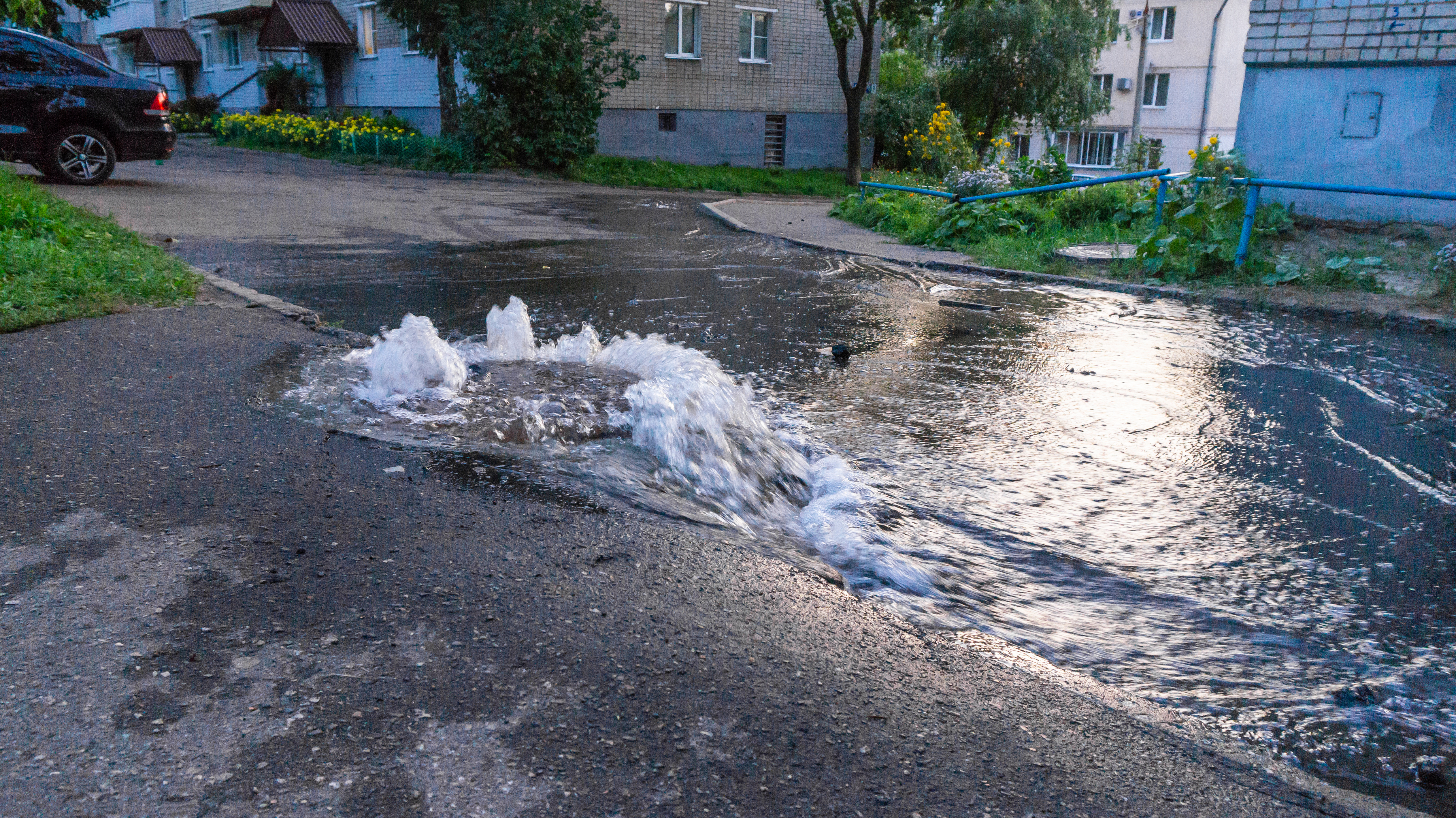
Historically, most stormwater attenuation tanks were built away from residential areas, meaning any odour caused by leftover residue inside the tanks posed little concern. However, as urban development increases, new housing is being built closer to these sites. As a result, odour pollution has become a significant issue. Environmental regulators, including the Environment Agency, have issued fines to water companies that fail to meet odour control requirements. Effective tank cleaning is therefore essential to remove residue, prevent bacterial breakdown and eliminate unpleasant smells.
1 - Health and safety legislation
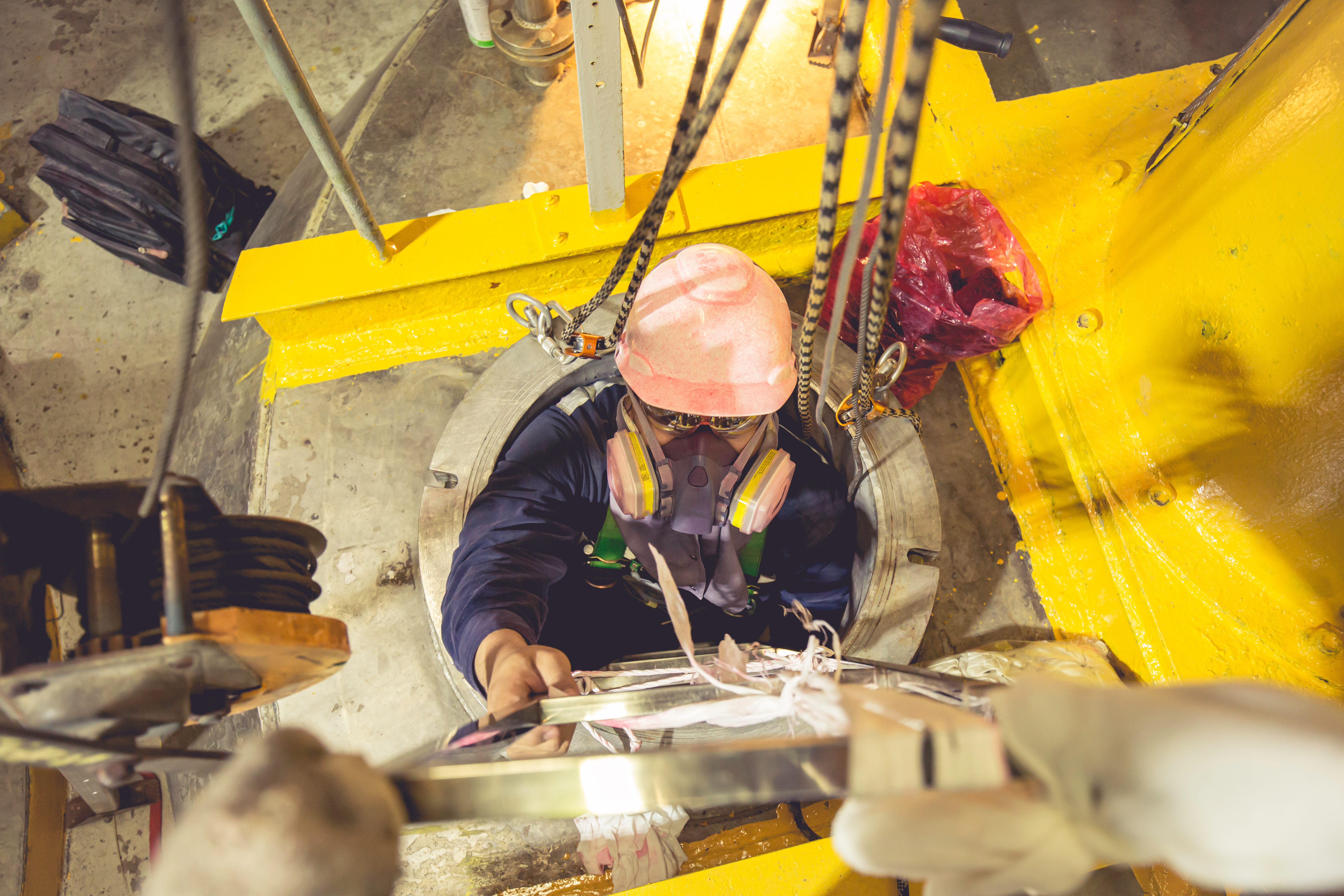
Traditionally, large open tanks were cleaned manually, which required workers to enter the tanks and physically remove debris. However, strict health and safety legislation now makes manned entry far more difficult, expensive and generally discouraged. Multiple staff must be on standby to complete the work safely, making planning and scheduling increasingly challenging. Automated cleaning systems reduce the need for manual entry and help companies meet modern safety standards.
2 - Harsh environmental conditions
Any automated system must operate outdoors on water treatment sites, where it will be exposed to the elements all year round. The equipment must be robust enough to withstand harsh weather, temperature changes and constant environmental stress. A durable, reliable system is essential to ensure long-term performance.
3 - Poor water quality
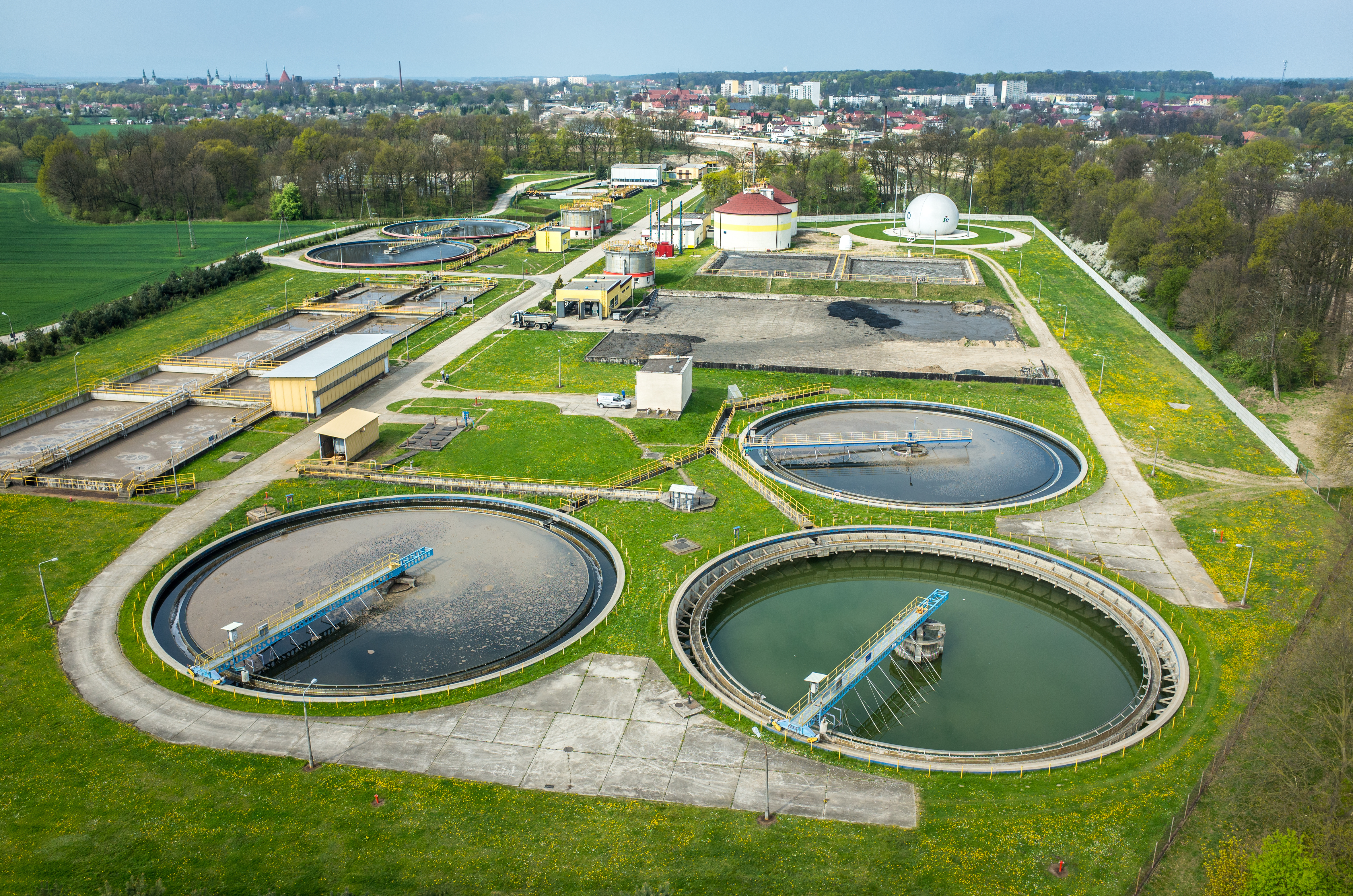
Ironically, stormwater sites often have poor water supply conditions despite processing large volumes of water. Many tank cleaning systems rely on high‑quality water, which is not always available. A suitable system must be able to operate using low-quality water without clogging or performance issues. Since the goal is simply to remove residue from dirty sewage tanks, using high-grade water would be wasteful and unnecessary.
4 - Water usage
Water is expensive, particularly when cleaning large tanks. The larger the tank, the more water is needed for the cleaning process. An efficient cleaning system must minimise water consumption to avoid waste and unnecessary treatment costs. Using excess water only to return it to the sewage system is counterproductive.
5 - Retrofitting challenges
Stormwater tanks are often repurposed and used for multiple functions within the wastewater treatment process. Cleaning systems must therefore be retrofitted into tanks that were not originally designed for them. This may require structural changes such as adjusting gradients or installing new channels. A cleaning system that can be retrofitted easily, with minimal modification, is highly beneficial and can significantly reduce installation costs.
6 - Large tank sizes
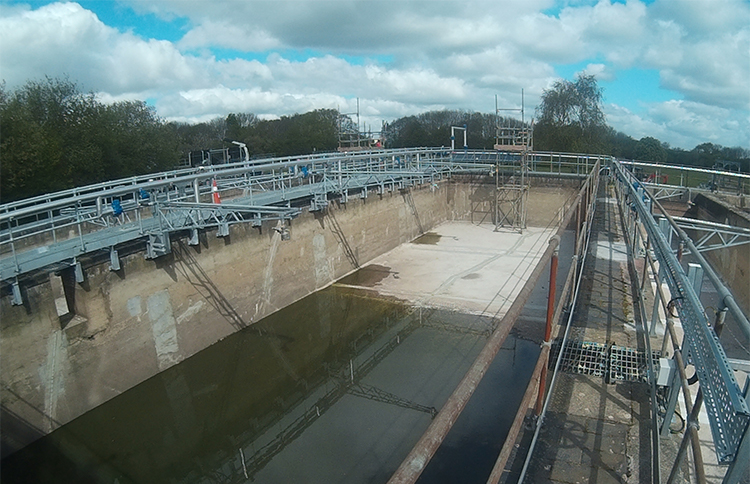
Storm tanks can be very large, sometimes measuring 50 to 60 metres long, 20 metres wide and 4 to 5 metres deep. Cleaning tanks of this size is a major challenge for any automated system. A suitable tank cleaning solution must be scalable and capable of delivering effective coverage across all surfaces, regardless of tank size.
Conclusion
The cleaning of stormwater attenuation tanks presents several significant challenges, ranging from safety considerations and harsh environmental conditions to water usage, poor water quality and the complexities of retrofitting equipment. As residential areas expand closer to wastewater infrastructure, effective cleaning has become more important than ever to prevent odour pollution and meet regulatory standards. A well‑designed, robust and adaptable cleaning system is essential to ensure these tanks remain safe, efficient and environmentally compliant.