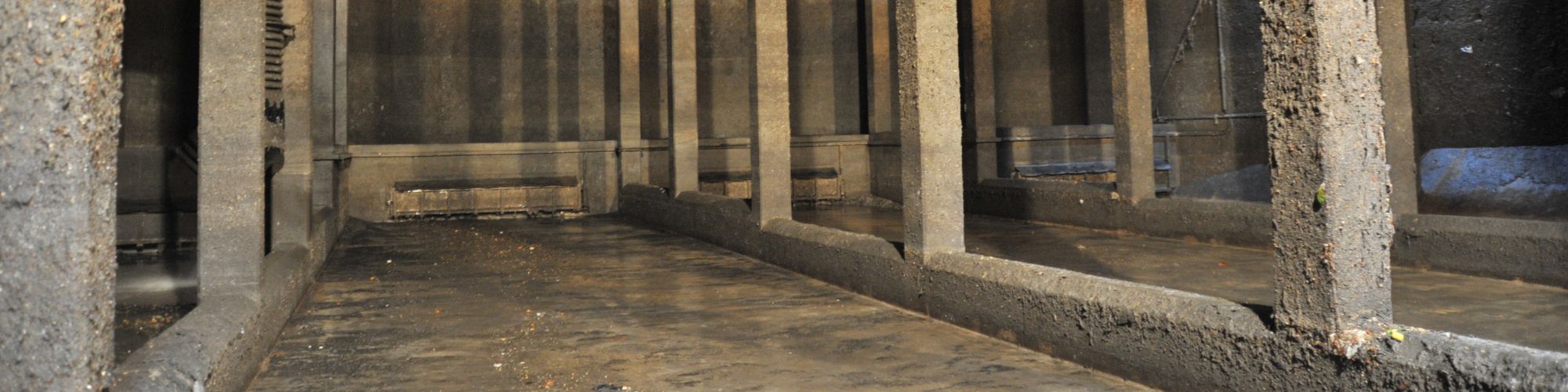
The best method for cleaning stormwater attenuation tanks varies depending on the tank’s size and layout. However, when all available options are compared, rotary jet cleaning systems – such as the StormBlaster™ – consistently stand out as the most effective solution. Below is an overview of why these systems perform so well, along with the situations in which they may not be suitable.
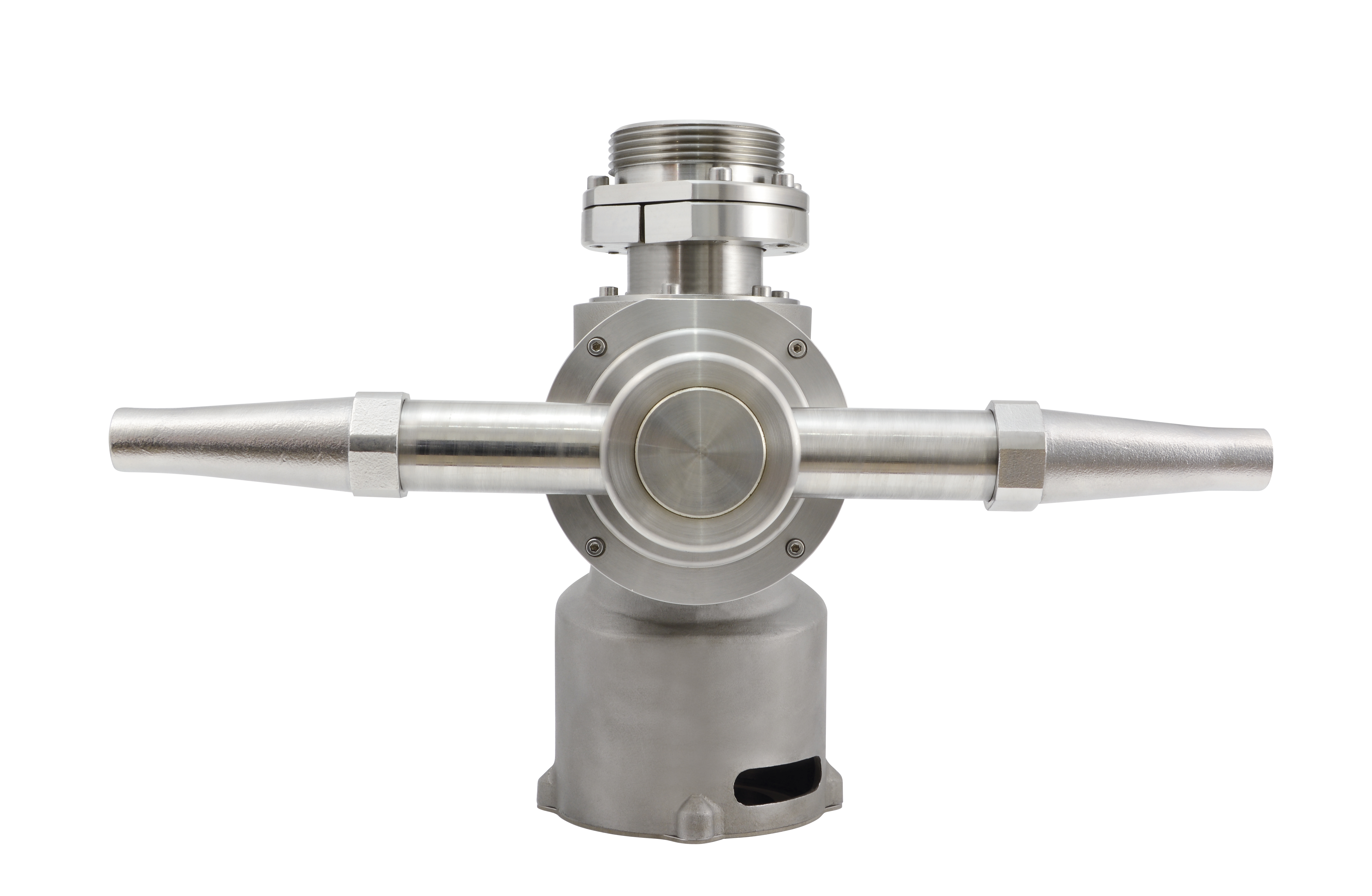
Why rotary jet cleaning systems are the best choice
For most stormwater tanks, rotary jet systems offer several advantages that make them the superior cleaning method.
Cost‑effective installation
Rotary jet systems are typically less expensive to install than alternative cleaning methods. They require minimal tank modifications, which reduces both installation time and overall cost.
Effective cleaning
These systems deliver thorough cleaning across a wide range of tank sizes and configurations. Their design enables efficient removal of residues, making them more reliable and consistent than many other methods.
Adaptability
Rotary jet systems are highly versatile and suitable for almost any tank layout. They perform well in tanks of various shapes and sizes, offering excellent scalability.
Ease of operation
Compared with other systems, rotary jet cleaners require little maintenance and can be operated with minimal supervision. This makes them a practical and dependable option for stormwater tank cleaning.
When rotary jet systems may not be suitable
Although rotary jet systems are ideal for most tanks, certain circumstances can limit their effectiveness.
Very large open tanks
Extremely large open tanks, particularly those wider than 20 metres, can be challenging. If there is no access to both sides of the tank, the jets may not reach all areas. When access is available on both sides, multiple units can be used to achieve full coverage.
.jpg?sfvrsn=b7bccb92_1)
Low drainage gradient
A drainage gradient of less than 1% can hinder effective cleaning. If water cannot drain properly, sediments washed off the surfaces may resettle. While modern storm tanks usually have adequate gradients, repurposed tanks may not.
.jpg?sfvrsn=afbccb92_1)
Insufficient water pressure
Rotary jet systems require at least 4 bar of water pressure to operate, with 8–10 bar being optimal. Larger tanks need higher pressures to achieve sufficient jet reach. A booster pump can often resolve this issue, but if adequate pressure cannot be provided, an alternative method may be necessary.
Why rotary jet systems aren’t universally used
Despite their clear benefits, rotary jet cleaning systems like the StormBlaster™ have not yet been adopted everywhere.
Lack of awareness
Storm tank cleaning is often considered a lower priority within wastewater management. This lack of focus has slowed the widespread adoption of more advanced solutions.
Legacy issues
Early attempts at rotary jet cleaning in storm tanks were not very successful. Many early systems were adapted from factory cleaning equipment and were not designed for the harsher outdoor conditions found in stormwater tanks. These reliability issues created a negative perception.
Incorrect protocols
Initial failures were often due to inappropriate cleaning protocols. Storm tanks differ significantly from factory tanks and require tailored approaches. Modern systems, including the StormBlaster™, are designed specifically for these environments, using principles taken from robust marine equipment.
Slow industry adoption
The wastewater industry typically adopts new technologies slowly, especially for smaller-scale applications such as storm tank cleaning. Large infrastructure projects can take seven to eight years, delaying widespread use of improved methods.
Rising necessity
Historically, storm tank cleaning has not been considered critical. However, as more tanks are built near residential areas, odour issues have become a growing concern. Environmental regulators are now issuing fines for poorly maintained tanks, increasing pressure to adopt reliable cleaning solutions.
Conclusion
Rotary jet cleaning systems, particularly the StormBlaster™, offer the most efficient, cost‑effective and adaptable solution for cleaning stormwater attenuation tanks. While there are some limited scenarios where these systems may not be suitable, these are relatively rare. With over 130 StormBlaster™ units already in use, the technology has proven its reliability and effectiveness. By addressing previous challenges and misconceptions, rotary jet systems are well positioned to become the standard approach for storm tank cleaning, providing cleaner tanks with minimal effort and maximum efficiency.