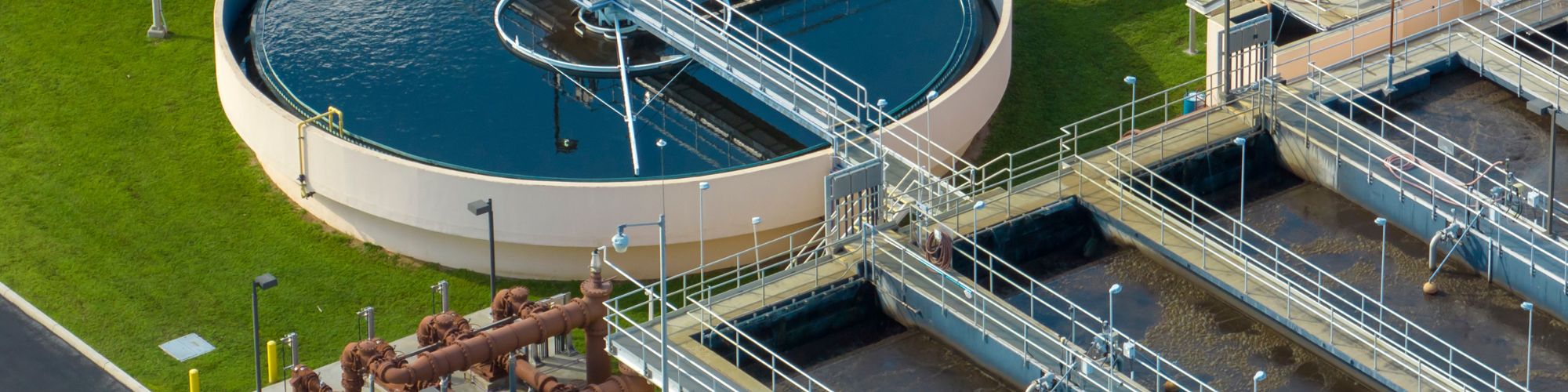
The UK water industry is currently under significant pressure to upgrade its infrastructure. Incidents of untreated sewage being discharged into rivers, seas, and waterways have been widely publicised, creating a major political and environmental issue. As a result, stormwater attenuation tanks – a vital component of wastewater management – are receiving increased attention.
The role of stormwater attenuation tanks
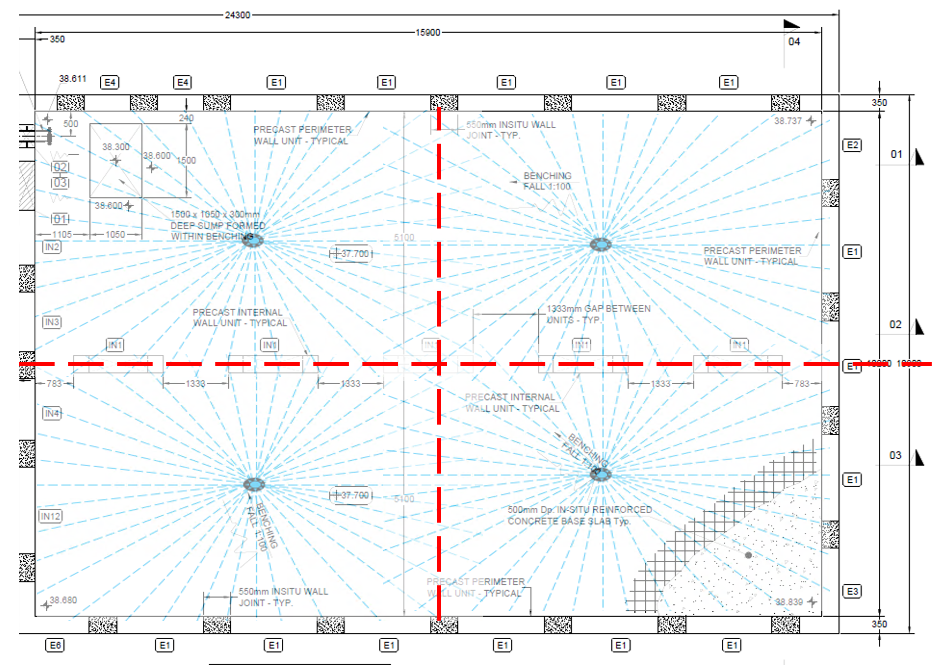
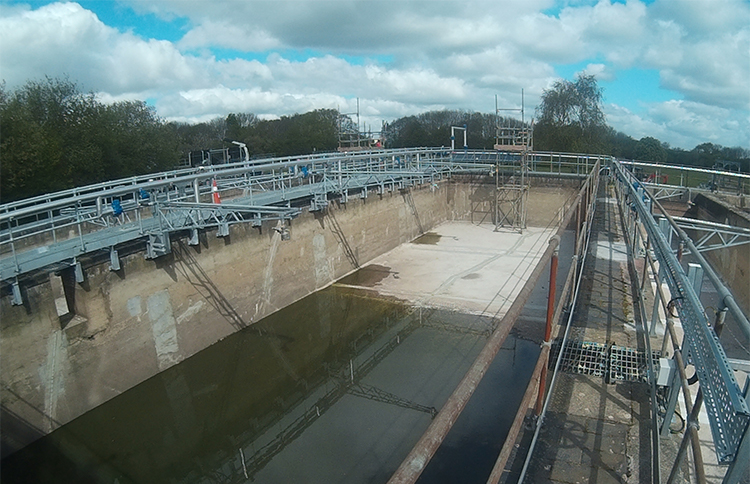
Stormwater attenuation tanks are essential for managing excess water during periods of heavy rainfall. These large tanks temporarily store diverted sewage and stormwater, preventing the system from overflowing onto streets. Once the storm subsides, the water is gradually released back into the sewage network in a controlled manner.
However, when tank capacity is insufficient, wastewater may need to be discharged into rivers or the sea. This issue has become increasingly common in the UK, leading to political scrutiny and growing public concern.
Why the problem is getting worse
Two main factors are driving the rising challenges associated with dirty storm tanks:
1. Climate change
Climate change is increasing the frequency and intensity of storm events. Warmer, wetter winters mean there is more water to manage and a greater need for stormwater storage. The UK’s existing wastewater infrastructure must expand to cope with these evolving conditions.
2. Odour pollution
Storm tanks often hold sewage for several days before releasing it back into the system. This results in foul‑smelling residues that create significant odour issues. Residents living downwind of the tanks are understandably affected, and water companies are required by the Environment Agency to control odour pollution. Failure to do so can lead to substantial fines.
While increasing stormwater management capacity is essential to prevent sewage overflows, doing so without addressing odour risks creating a secondary environmental and public health problem.
The solution: automated cleaning systems
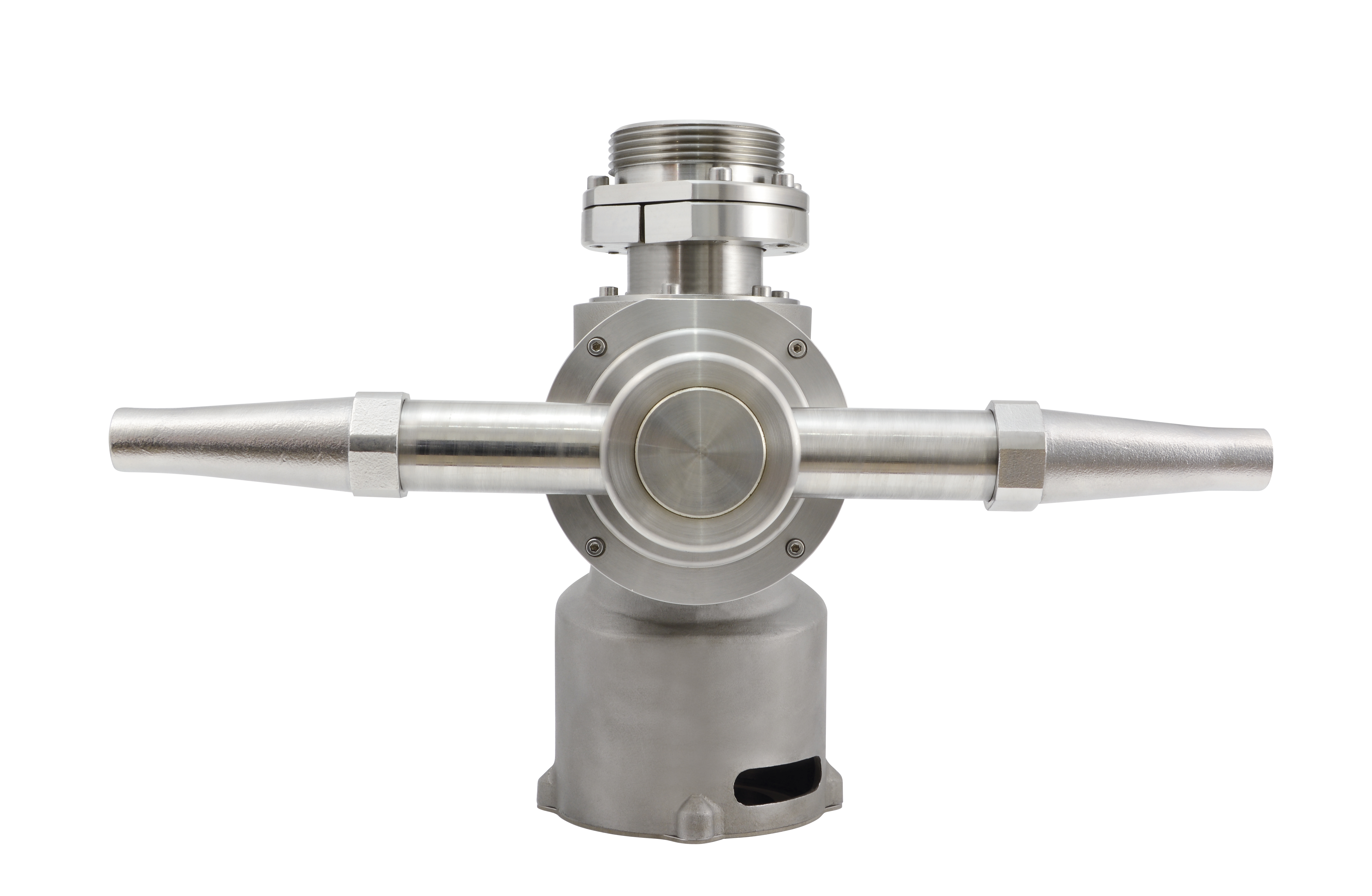
Odour pollution can be effectively managed with appropriate planning. Fully automated storm tank cleaning systems, such as the StormBlaster™, can be installed in both new and existing tanks. These systems clean the tanks once their contents have been released, removing the residue responsible for odours and preventing pollution issues.
Key benefits of automated cleaning systems
- Proactive odour control: Helps prevent complaints from residents and avoids regulatory fines.
- Cost‑effectiveness: Cleaning systems represent only a small proportion of overall infrastructure upgrade costs.
- Ease of installation: Automated cleaning systems can be incorporated during design or retrofitted into existing tanks.

Planning for the future
As major infrastructure upgrades progress across the UK, it is vital to integrate storm tank cleaning systems into early design plans. Addressing cleaning needs at the outset is far more cost‑effective than retrofitting solutions after problems occur.
Companies specialising in storm tank cleaning solutions have extensive experience supporting water providers in the UK, France, and Ireland. The StormBlaster™ system has become widely adopted, with more than 130 installations successfully addressing odour control challenges.
With effective planning and the use of automated cleaning systems, the UK can upgrade its wastewater infrastructure while minimising odour pollution. This proactive approach ensures cleaner, more efficient storm tank operations and helps prevent future environmental and public health issues.
.jpg?sfvrsn=b7bccb92_1)